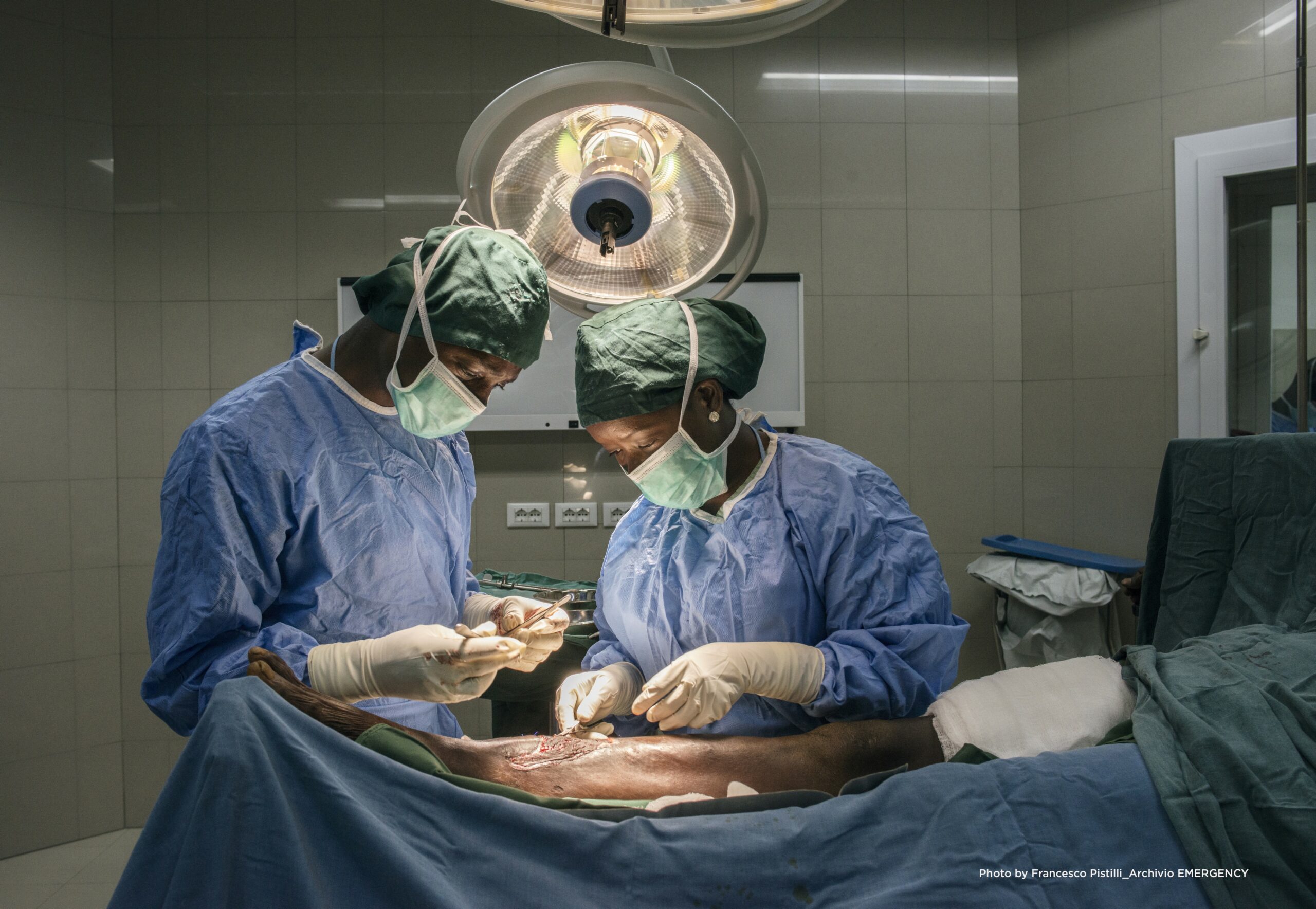
Last week, an EMERGENCY delegation had the opportunity to attend the Every Heartbeat Matters Partner…
Event Recap | Redefining Quality Care in Conflict and Post-Conflict Settings
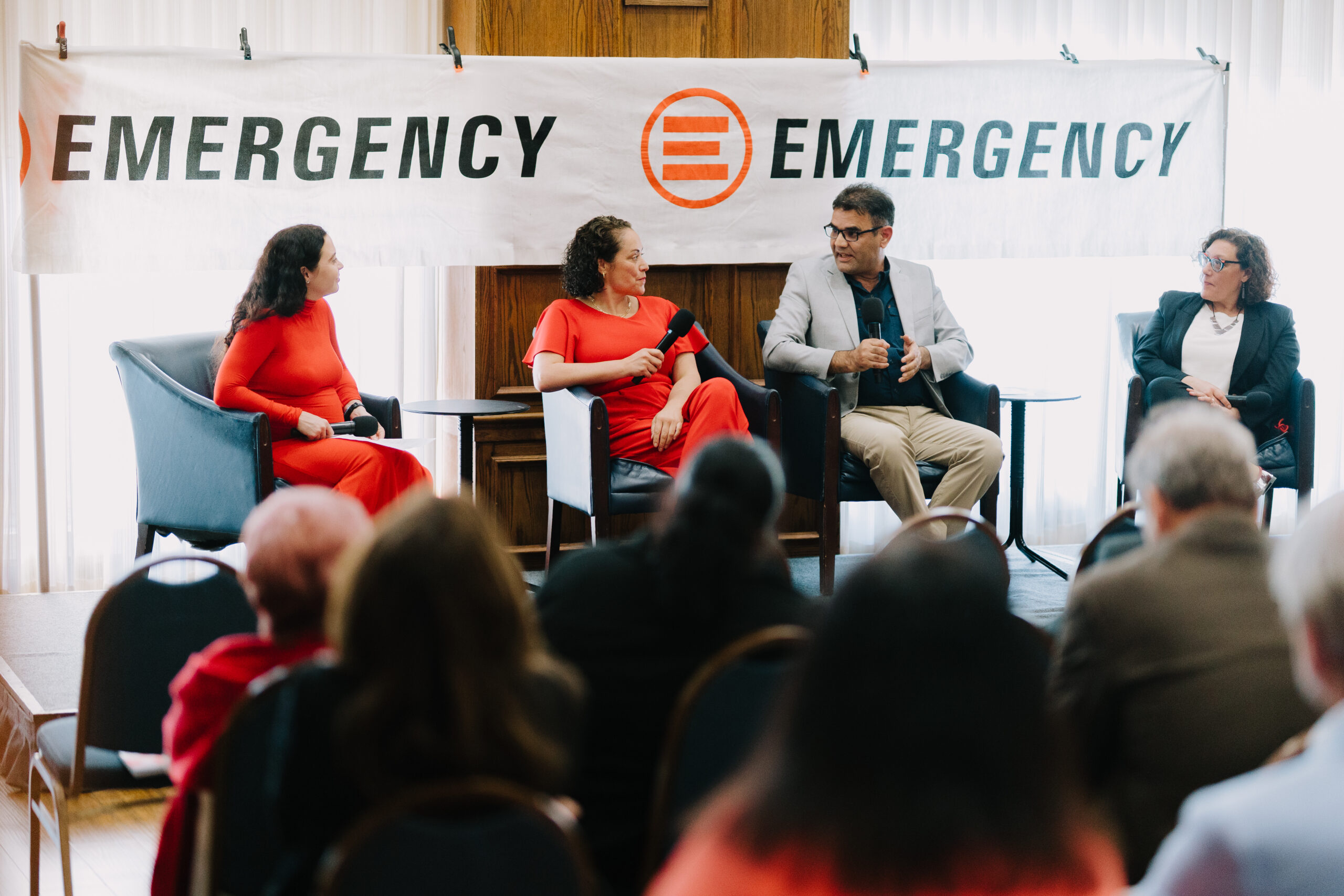
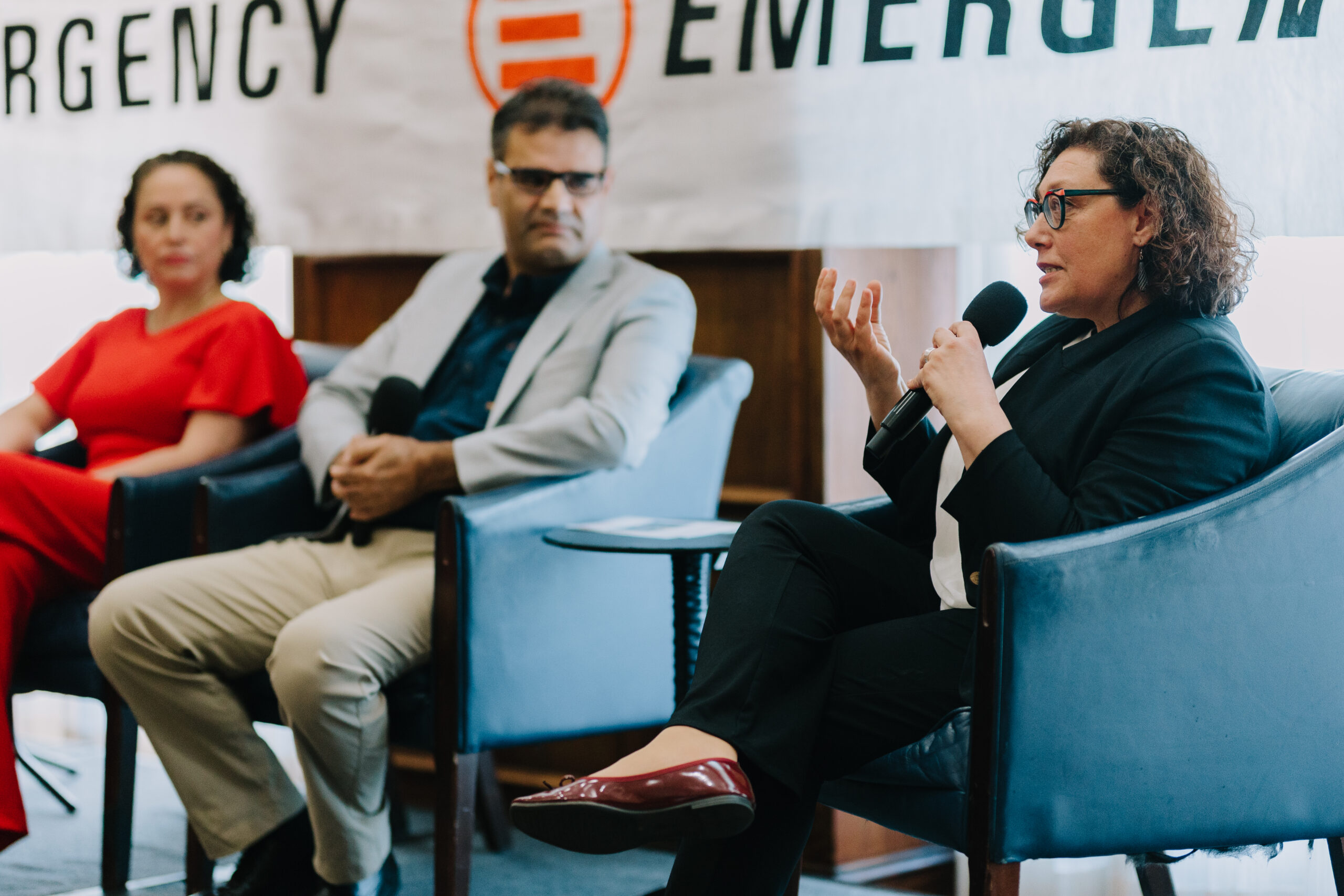
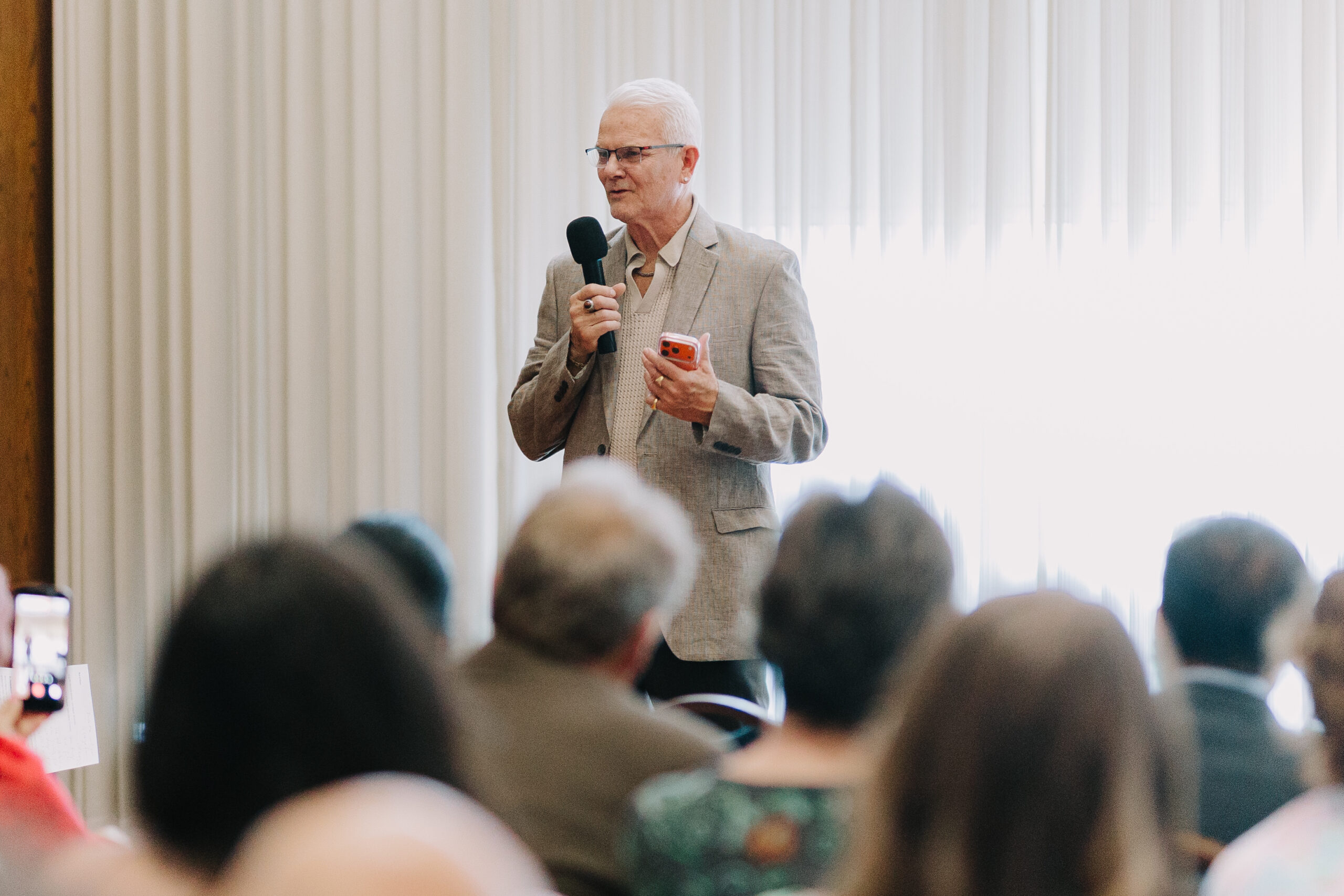
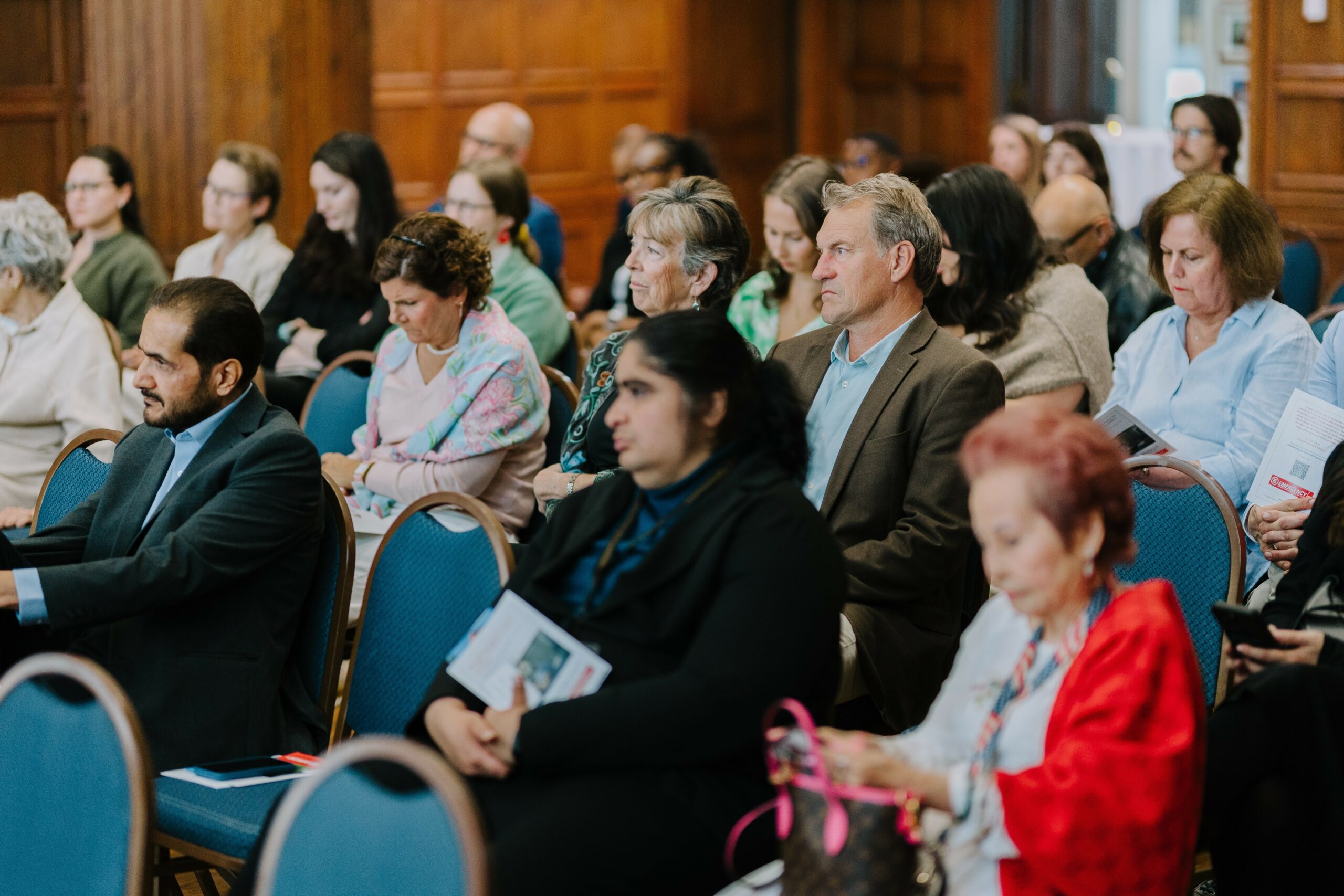
On May 12, more than 50 supporters, healthcare professionals, and advocates gathered at the National Press Club in Washington, DC, for an evening hosted by EMERGENCY USA.
The event explored what it truly means to deliver high-quality healthcare in some of the world’s most challenging environments—posing questions like, How do you deliver quality healthcare in the midst of war? and What does it take to rebuild health systems in its aftermath?
The Panel
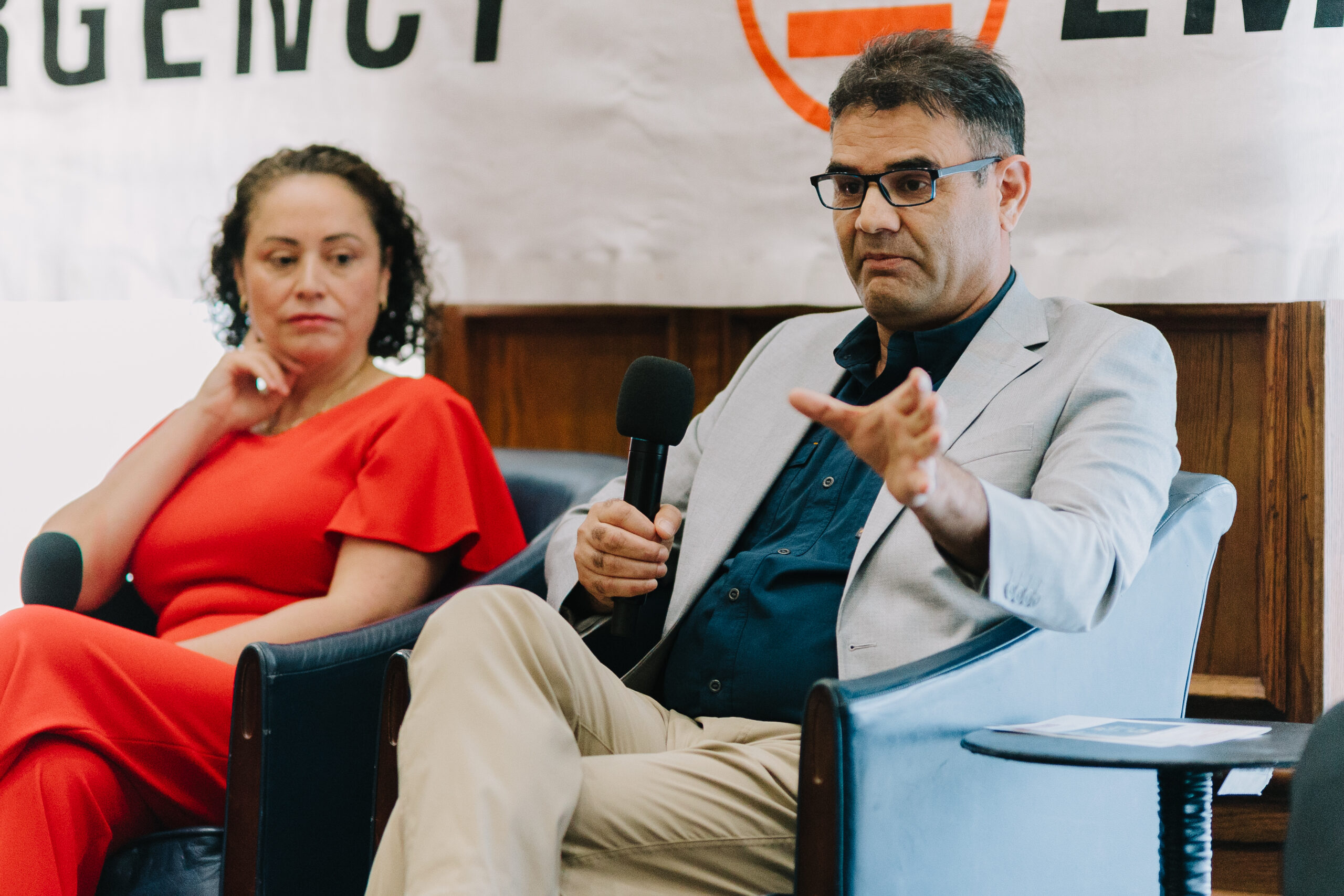
Moderated by journalist Hollie McKay, the discussion featured Rossella Miccio, President of EMERGENCY; Eunice Allen, an emergency nurse with extensive humanitarian experience; and Dr. Hedayatullah Hedayat, an Afghan surgeon who has worked across EMERGENCY’s hospitals in Afghanistan.
Hollie McKay opened with a powerful reflection from Rebecca Solnit’s Hope in the Dark:
Inside the word ‘emergency’ is ‘emerge’; from an emergency new things come forth. The old certainties are crumbling fast, but danger and possibility are sisters.”
This framing set the tone for an evening focused not only on the realities of conflict, but also on resilience, dignity, and the possibility of building sustainable systems of care even in fragile environments.
Defining Quality Care and Supporting Local Capacity
Throughout the conversation, panelists shared firsthand insights from their humanitarian and medical work, highlighting the operational, emotional, and ethical realities of working in conflict and post-conflict settings.
From trauma surgery and emergency medicine to training and long-term system strengthening, a clear message emerged: quality healthcare must be a universal standard, not a privilege determined by geography or circumstance.
Rossella Miccio illustrated this principle by reflecting on the philosophy of EMERGENCY founder Dr. Gino Strada, who said:
Ask yourself this question, ‘Would I feel comfortable being treated in this hospital?’ If the answer is yes, then you are providing quality services and doing a really good job. If the answer is no—if I want to run away and go back to my own country to receive treatment—then it means you are not doing a good job.”
She emphasised that healthcare is a basic human right, and that the same standard of care expected in the US and Europe must also be available to patients across Afghanistan, Sudan, Uganda, and around the world. EMERGENCY pursues this with a sustainability approach to building local capacity:
Our long-term vision is grounded in strengthening the health system of the country while training local staff. The training is not just theoretical—it is directly linked to the way our teams care for patients every day.”
Eunice Allen and Dr. Hedayat reinforced how collaboration between international and national colleagues not only improves patient outcomes, but also fosters professional growth, leadership, and continuity within local health systems.
Conclusions and Looking Ahead
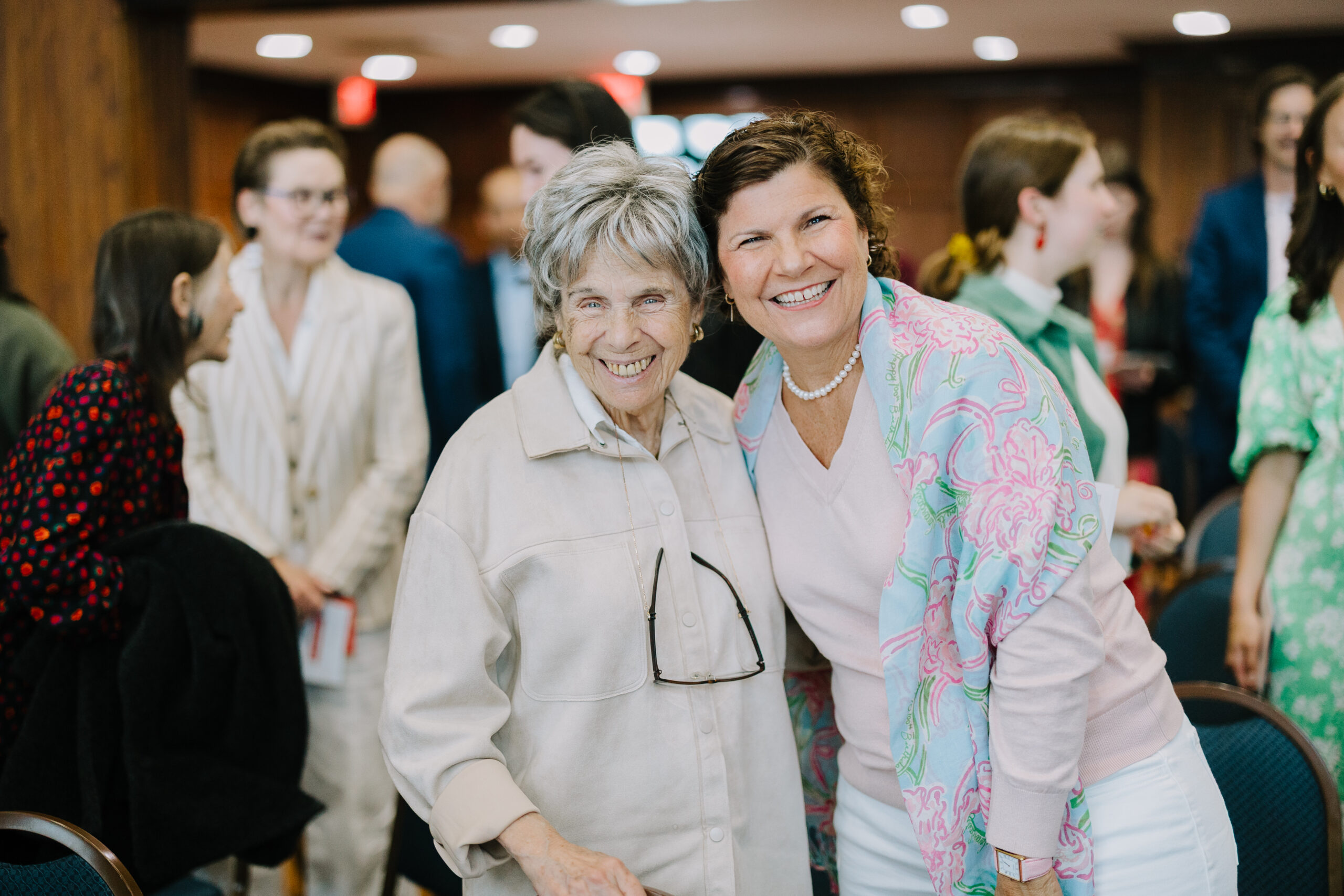
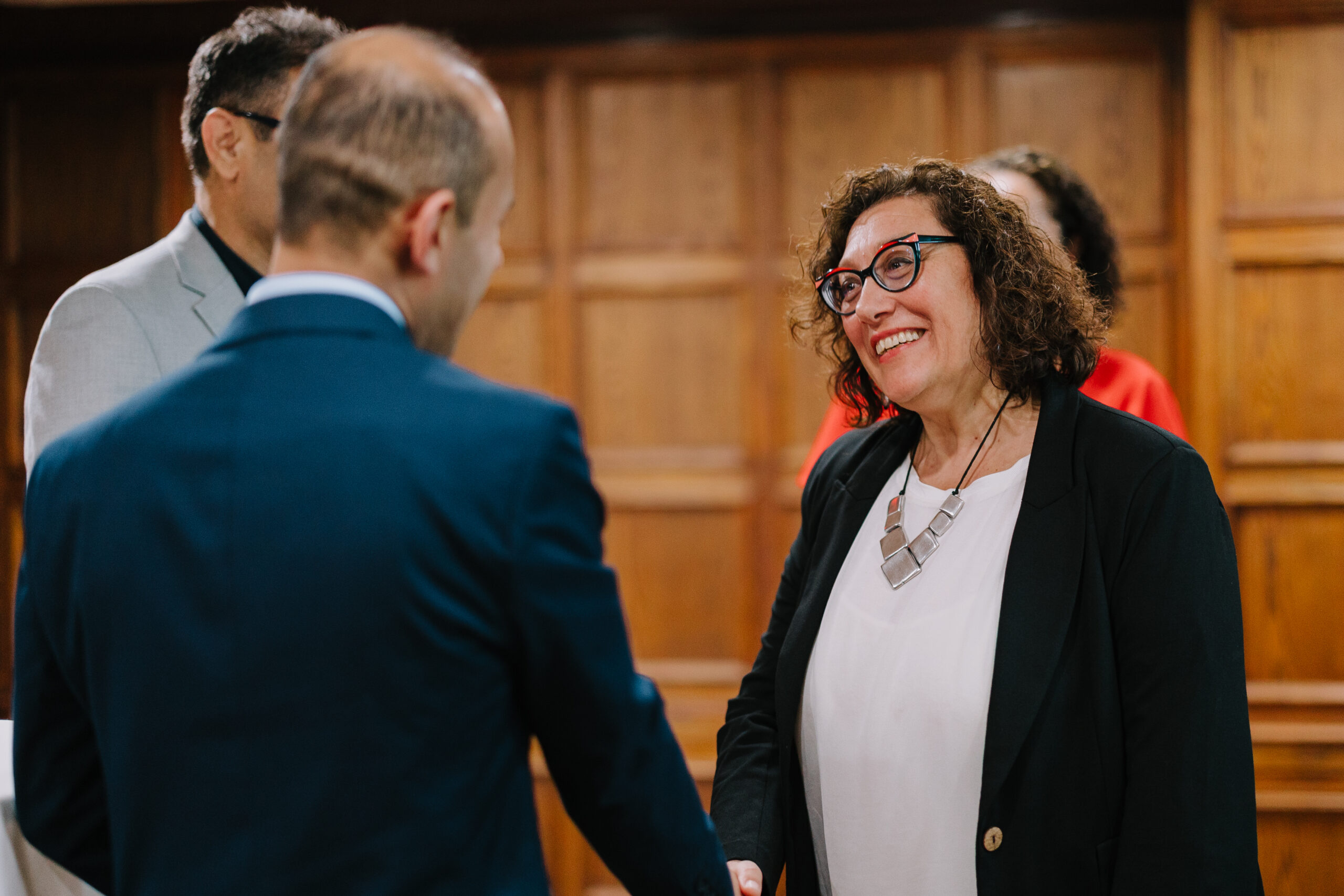
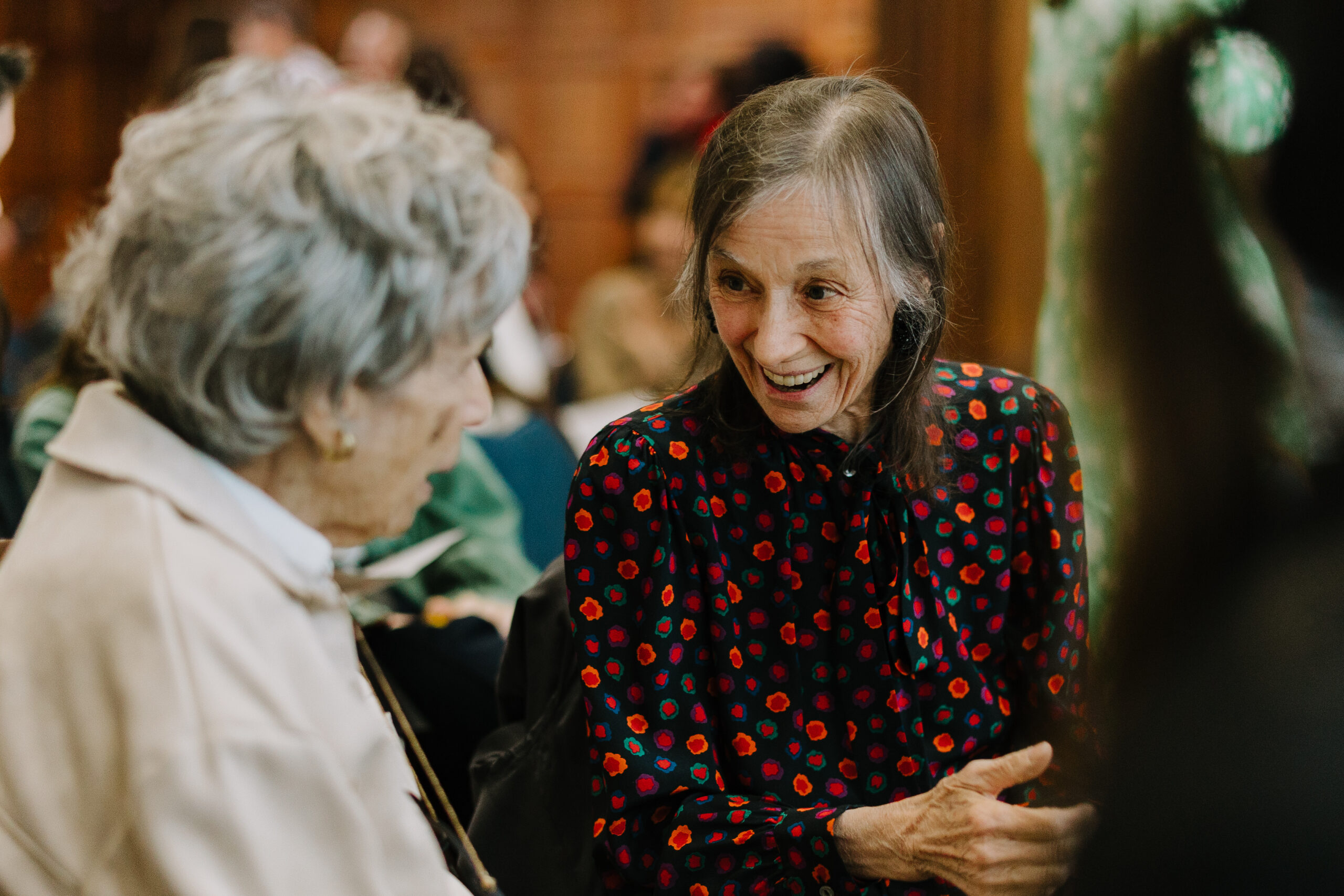
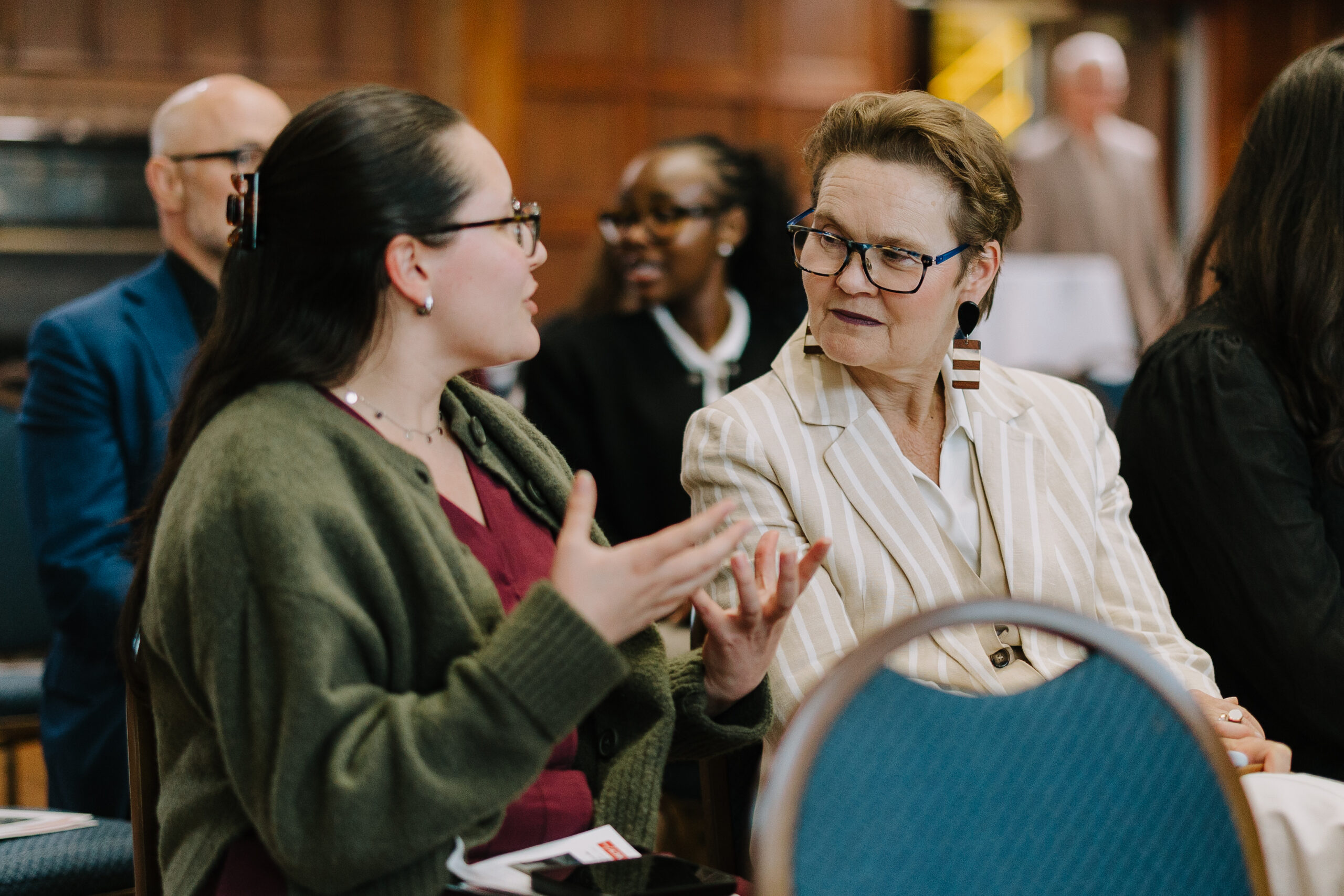
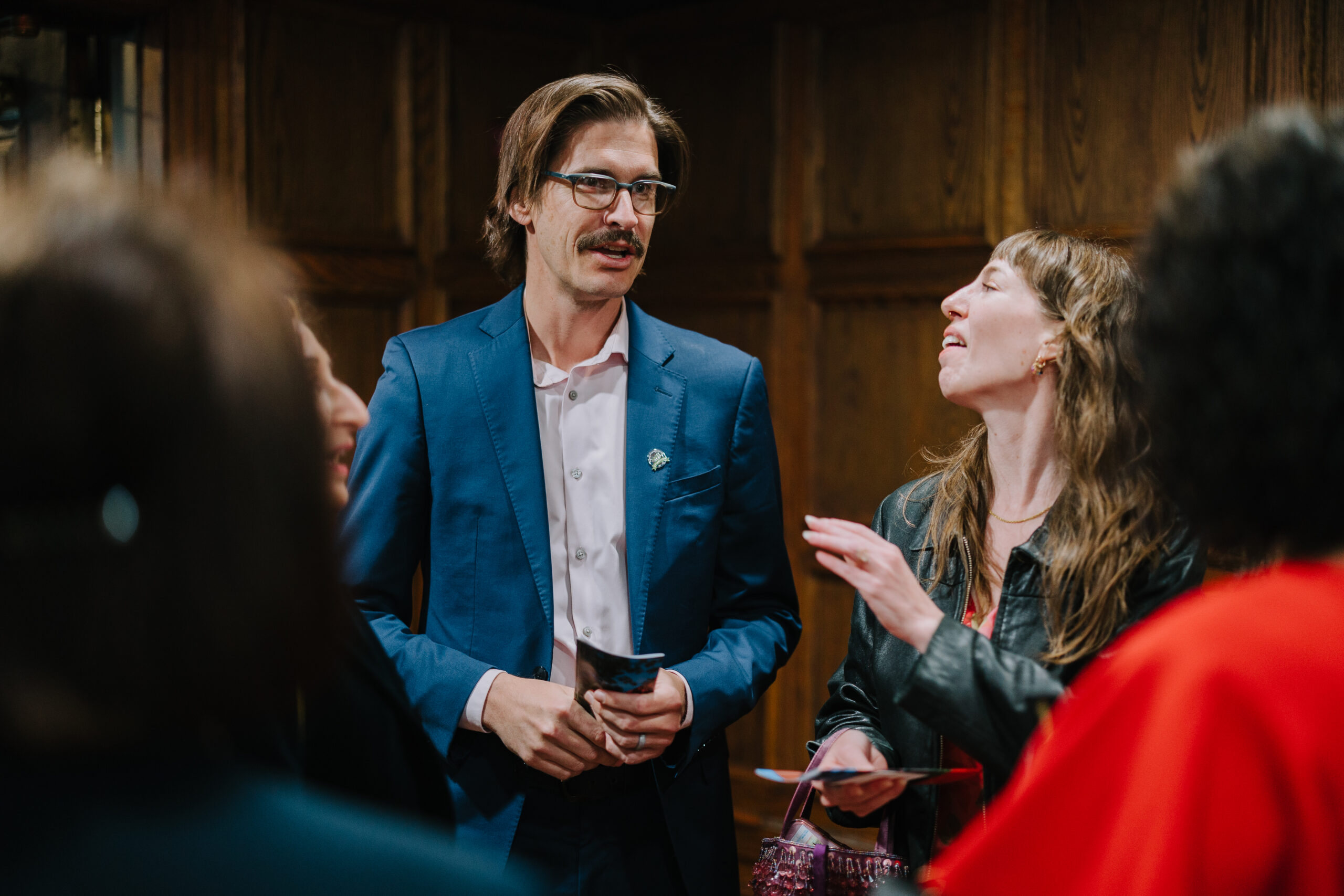
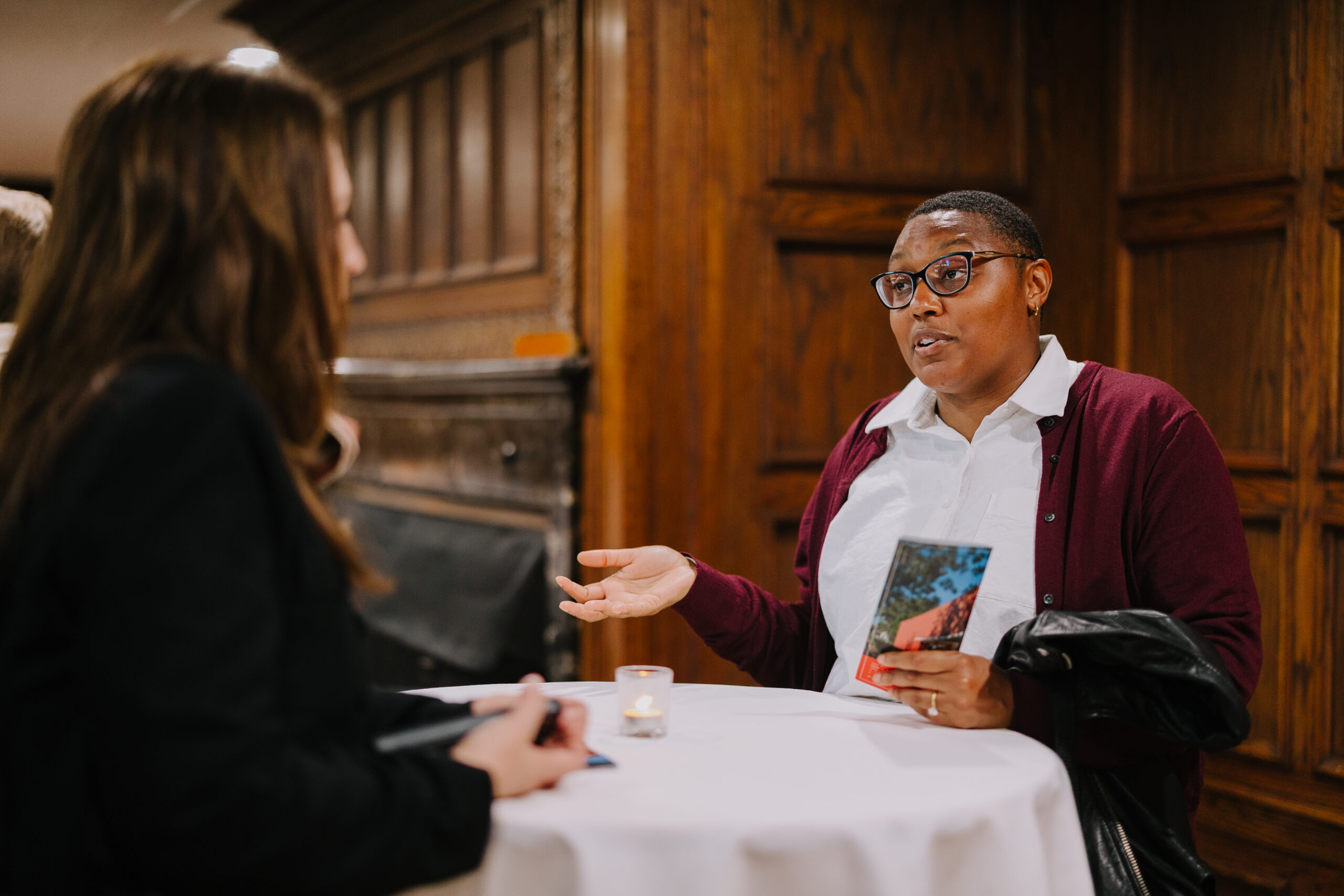
The evening concluded with a reception, giving attendees the opportunity to connect directly with speakers, staff, and fellow supporters. The strong turnout and thoughtful engagement reflected a growing interest in humanitarian healthcare models that prioritize excellence, sustainability, and human dignity.
As global conflicts and humanitarian crises continue to evolve, the discussion served as a reminder that quality care is not an aspiration. It is an obligation.
Through its hospitals, clinics, training programs, and commitment to free, high-quality care, EMERGENCY continues to demonstrate what that commitment can look like in practice.
Related Posts