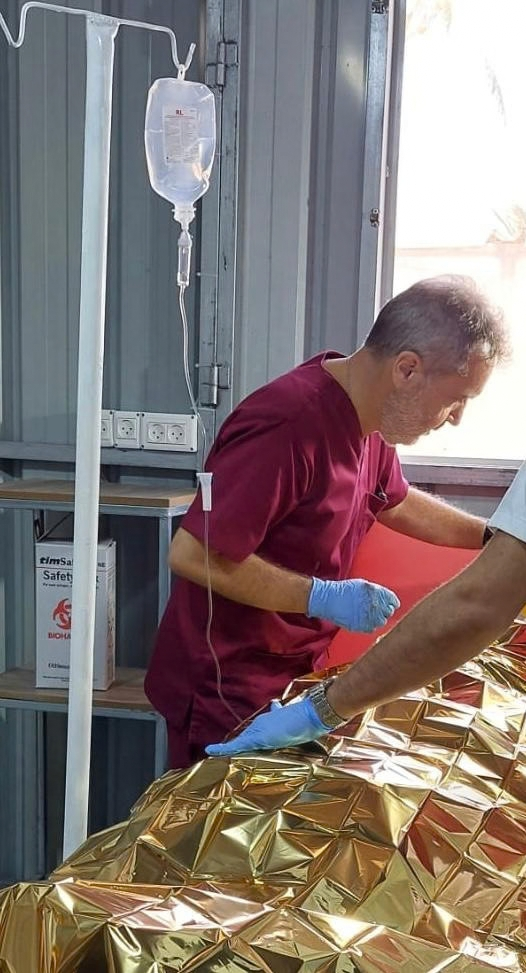
EMERGENCY Medical Coordinator Giorgio Monti shares what our teams are seeing in Gaza, the care…
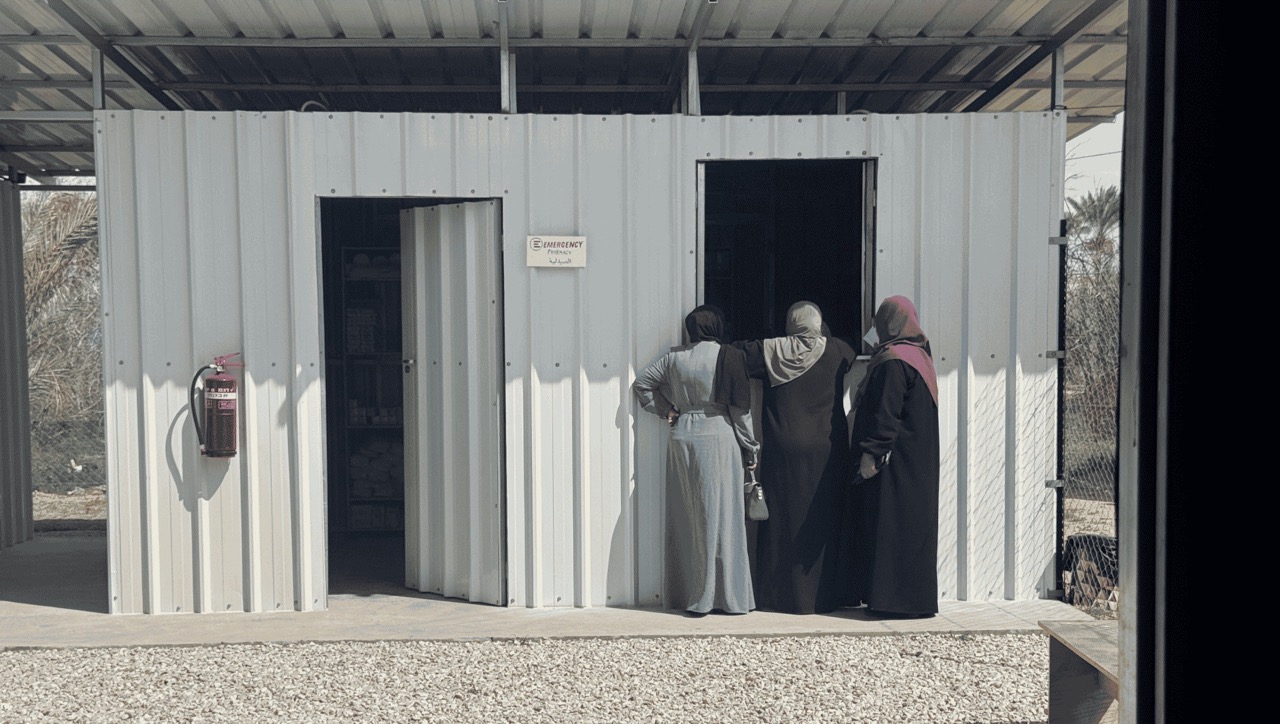
Gaza: One Year Since the Start of the Ceasefire
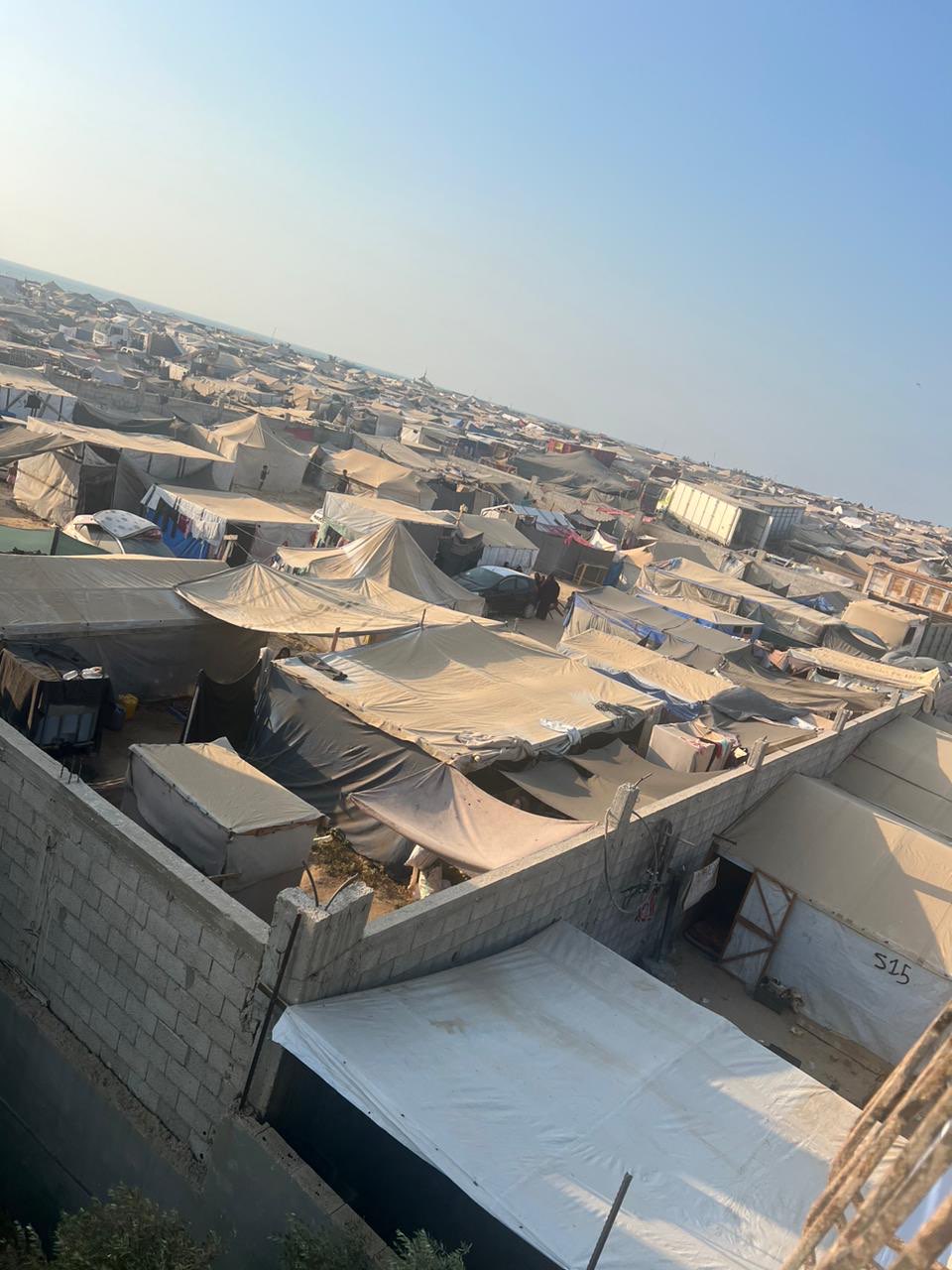
Hundreds of thousands of people are still living in tents or makeshift shelters, with limited access to drinking water, medical care and essential supplies.
Attacks continue to cause casualties and injuries, whilst the flow of humanitarian aid remains insufficient.
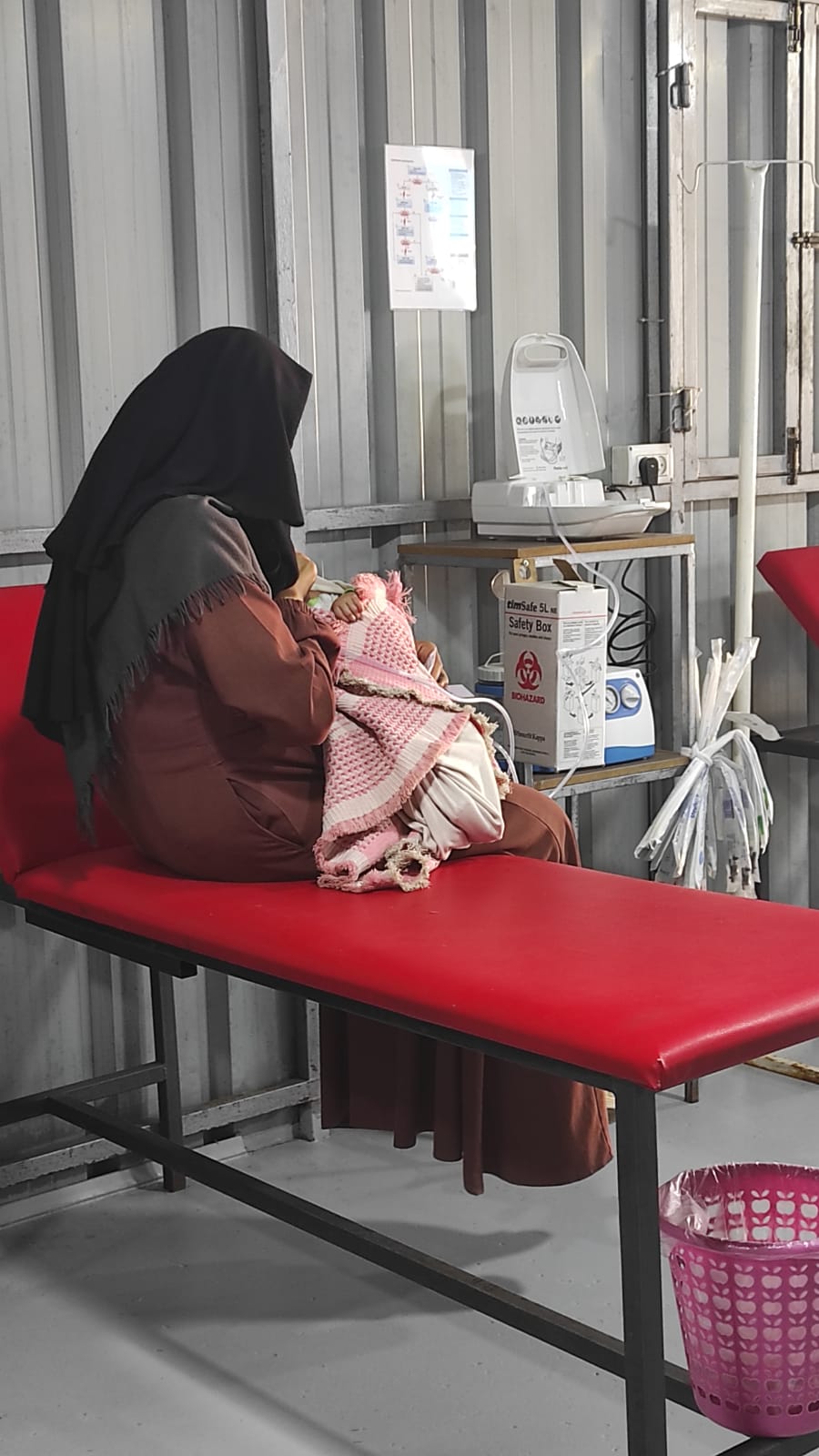
Most of them are pregnant women and children. The most common conditions are respiratory and gastrointestinal infections, skin diseases and chronic conditions such as diabetes and high blood pressure.
Six things you need to know about the current situation in Gaza
- According to the most recent estimates, there have been nearly 1,400 fatalities and more than 4,700 people injured since the ceasefire was announced.
- Humanitarian aid, including medicines and medical equipment, continues to face severe restrictions on entry, significant difficulties in reaching Gaza, partly due to the restrictions on the entry of materials and goods via the Kerem Shalom crossing. The health impacts are felt most acutely by already vulnerable groups, especially women and children.
- Prices of food and essential goods have risen by an average of 207% compared to pre-war levels, whilst many families have seen their purchasing power drastically reduced.
- The entry of commercial goods continues to be prioritised over humanitarian aid: according to OCHA data, the offloading rate for UN and partner aid trucks via the Kerem Shalom crossing has fallen from 77% to 70%. At the same time, a significant proportion of incoming commercial goods continues to consist of non-essential items.
- The range of food available is inadequate to ensure people receive the nutritional intake they need. The IPC estimates that by December 2026, 1.4 million people will face severe food insecurity.
- Compounding the food shortage is the difficulty in accessing clean water, with direct consequences for the population’s health.
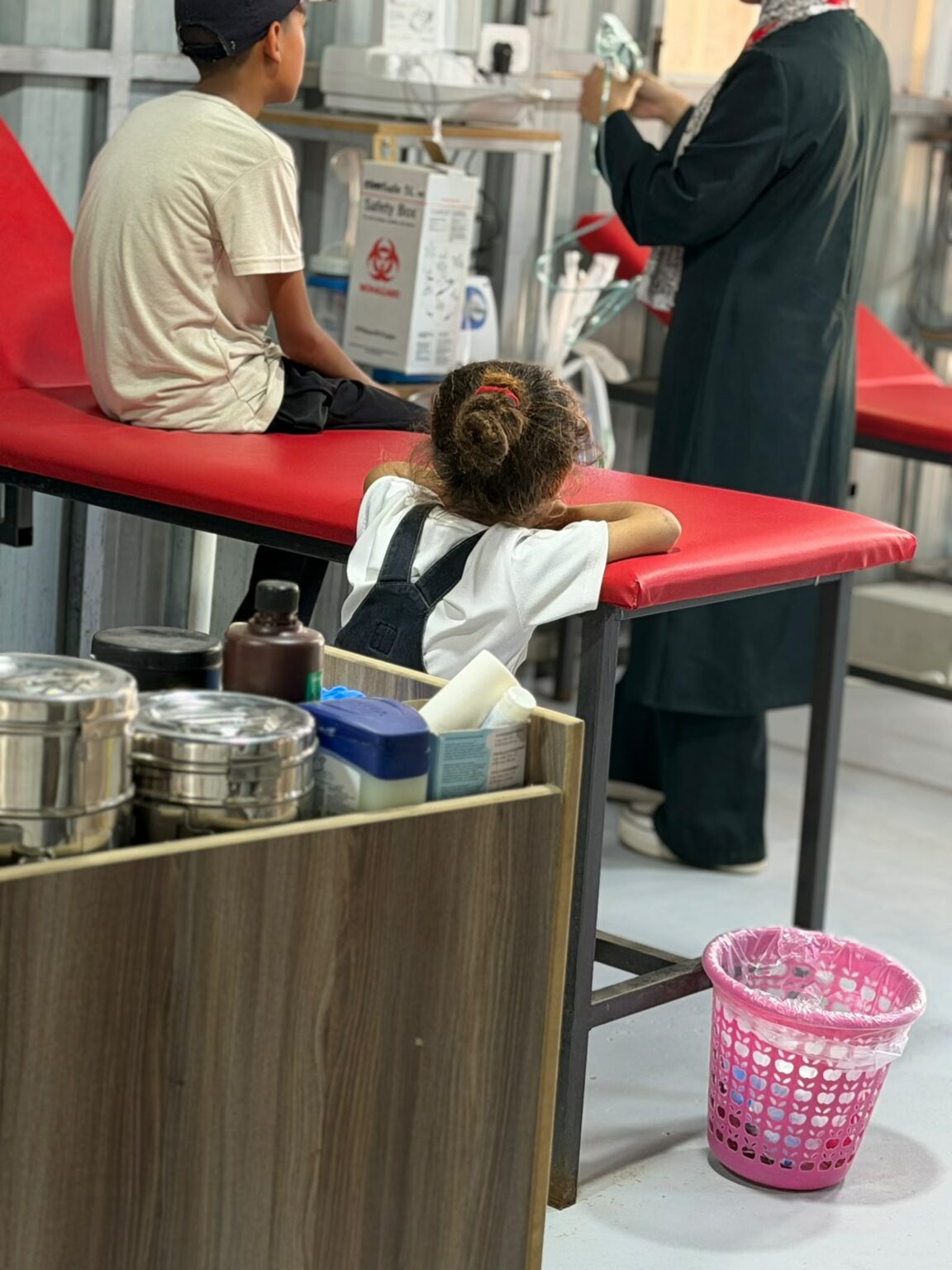
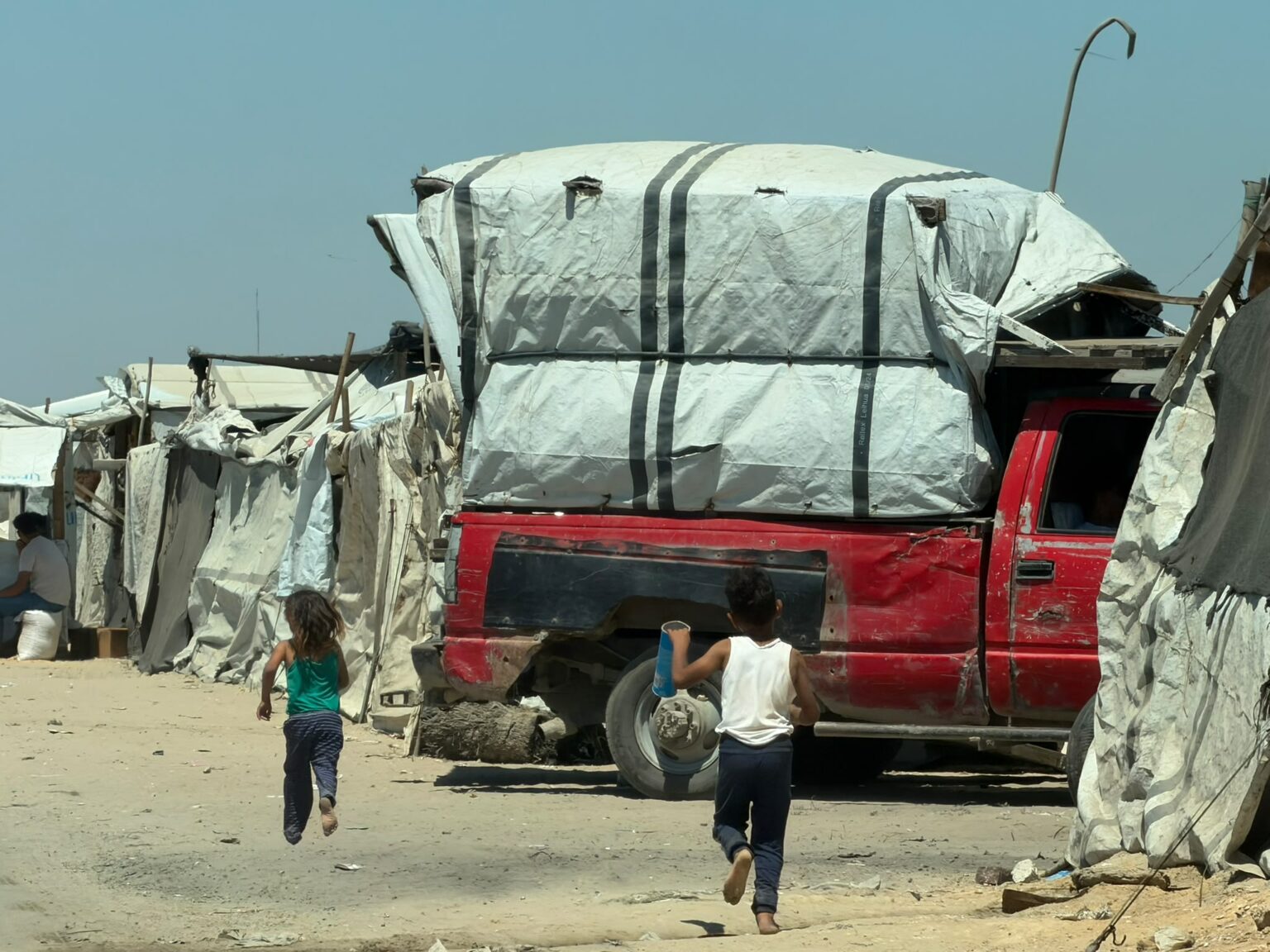
Children are among those most vulnerable to the consequences of the humanitarian crisis
Children make up nearly half of Gaza’s population. They pay the highest price for the lack of clean water, adequate food, healthcare or safe living conditions.
Hundreds of thousands of Gazans are still living in tents or makeshift shelters, and the arrival of the colder, rainier season will make living conditions even more challenging.
One year on from the announcement of the ceasefire, the civilian population of Gaza continues to live without adequate safety, healthcare or access to essential goods.
EMERGENCY renews its call for a permanent ceasefire and the entry of humanitarian aid, in accordance with international humanitarian law.
We cannot look away from Gaza.
Related Posts